According to World Atlas, Nearly 513 million tonnes of plastics wind up in the oceans every year; and Nigeria (0.85 tonnes) ranks 9th on the list of 20 major polluters across the globe.
Excessive flooding, poisoning of the food-chain, polluted coasts, spread of killer diseases like malaria, destruction of ecosystems and biodiversity; The devastating impacts of plastic pollution on the environment and human health in Nigeria is rising but sadly the consumption, improper disposal and dumping of plastic waste increases by the minute. Alongside systemic changes and efficient policy frameworks at the government level, this issue also calls for behavioral changes, informed actions and actionable solutions by consumers at the grassroots. Unfortunately, there is still a lot of work to do in promoting environmental awareness and education, because a lot of young Nigerians who see this problem around them maybe concerned about the problem but are ignorant of what to do in their little spaces to address it.
African countries like Nigeria is often used as an example of all the things wrong with the environment, but there’s still a huge gap between what African youths are doing to protect the environment when compared with youths in western countries. It is evident that African youths need knowledge, skills, resources and network in order to create change in their communities.
In 2021, U-recycle Initiative Africa embarked on an audacious project- The African Youth For Environment (AY4E) fellowship- with the support of the National Geographic Society. This was a first-of-its-kind fellowship in Nigeria, focused on influencing behavioral change to tackle plastic pollution and empower young Nigerians to pioneer solutions in addressing environmental issues providing them with knowledge skills and expertise to develop tide-turning projects and grassroots solutions aimed at mitigating plastic pollution, combating climate change, and advancing ocean conservation.
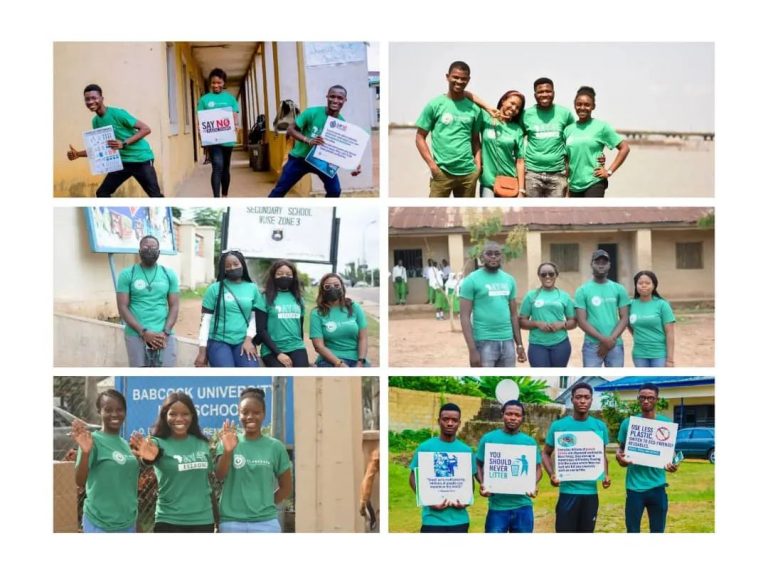
Through this comprehensive fellowship we trained 36 youths across Nigeria then selected Six to become our inaugural AY4E fellows. The Selected fellows were ;
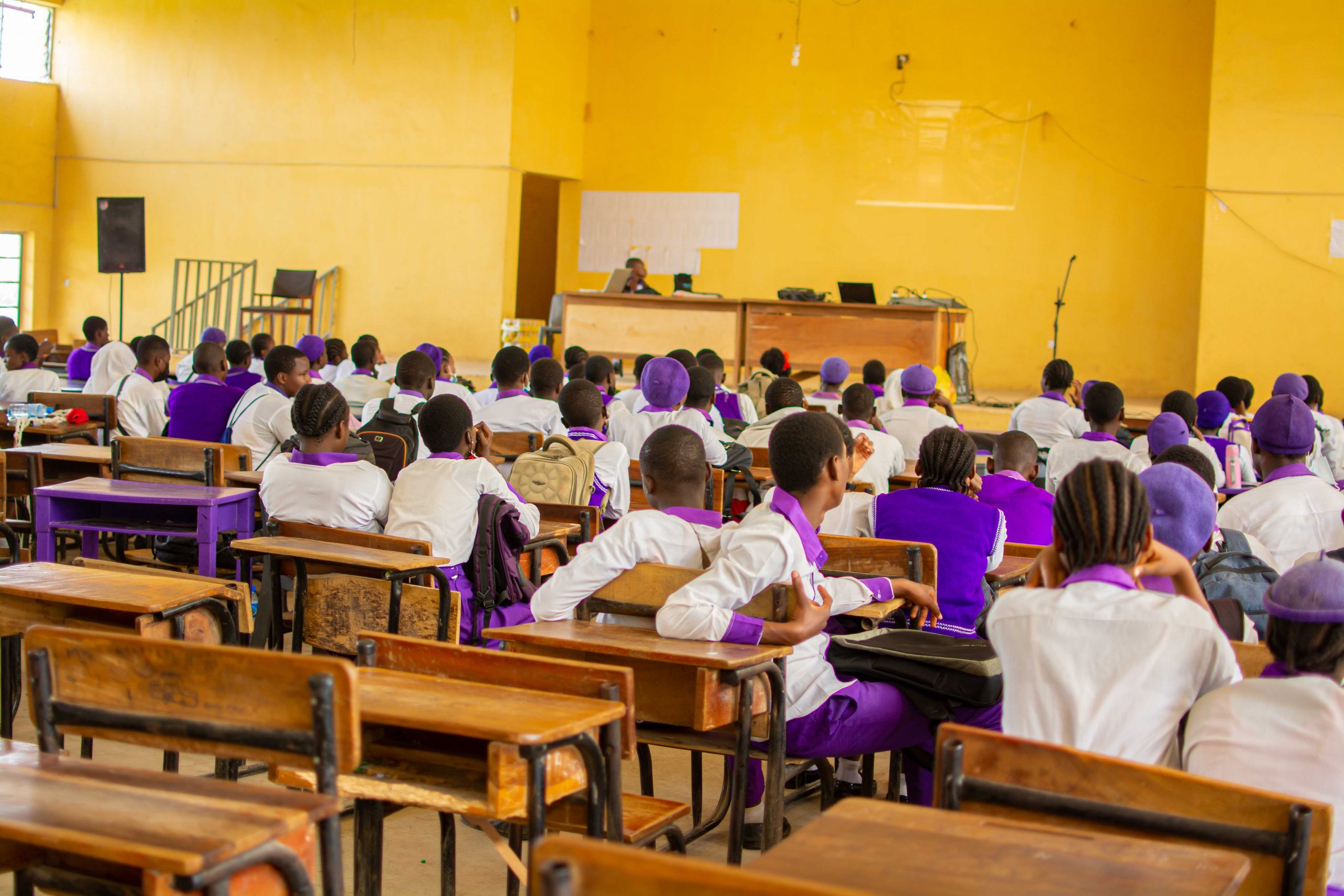
Subsequently, We collaborated with our fellows over a period of 6-months to co-create and implement 24 environmental and youth-development projects engaging over 5600 teens across schools in seven states in Nigeria.This fellowship comprised of four different phases :
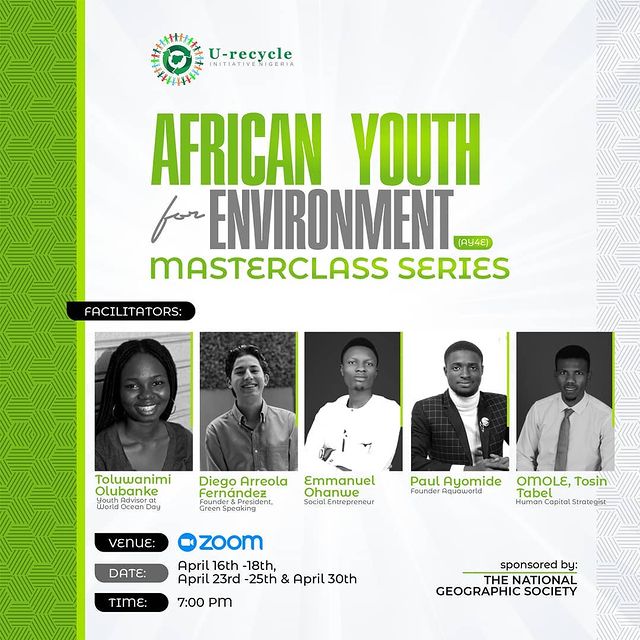
PHASE 1: AY4E MASTERCLASS SERIES
No of youths trained
This was a seven-module virtual training geared towards empowering Nigerian youths with knowledge, tools, and skills to enable them to create and implement grassroots solutions focused on mitigating plastic pollution.
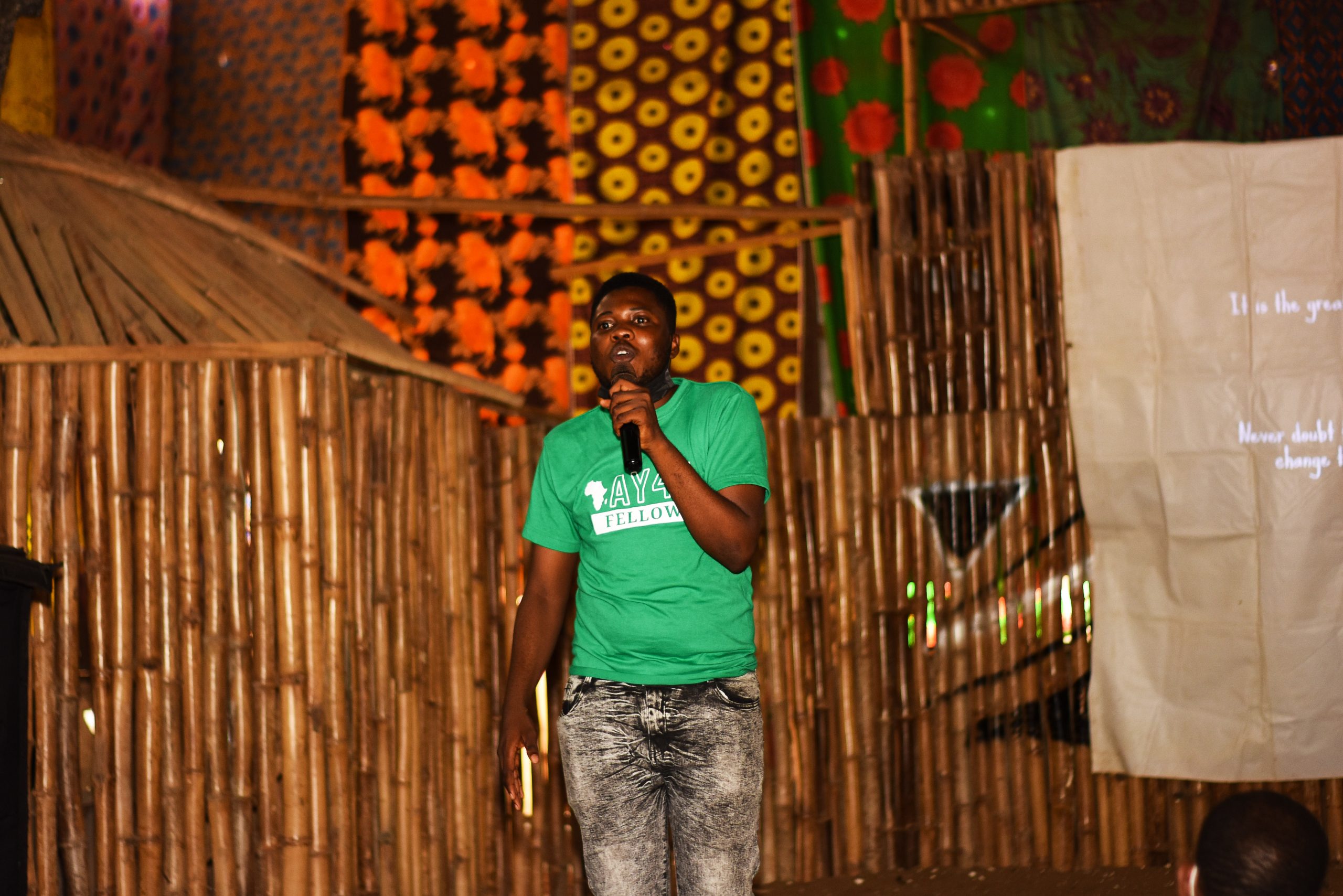
In this workshop, experienced and seasoned professionals trained them on the intricacies of executing change-making projects, public speaking, environmental awareness/advocacy, and more.
PHASE 2: ENVIRONMENTAL EDUCATION SCHOOL OUTREACH
Number of Schools reached
+
No of students reached
Education leads us to the solution. Think about it: How can we proffer long-lasting solutions to the plastic pollution crisis, if many of us do not know about it?
Through negative human actions like littering, dumping, and incessant misuse of plastics, the plastic pollution crisis has become a plague. The good news, however, is that positive actions such as reducing our plastic footprints, cultivating good recycling habits, and living sustainably, can help us solve this crisis.
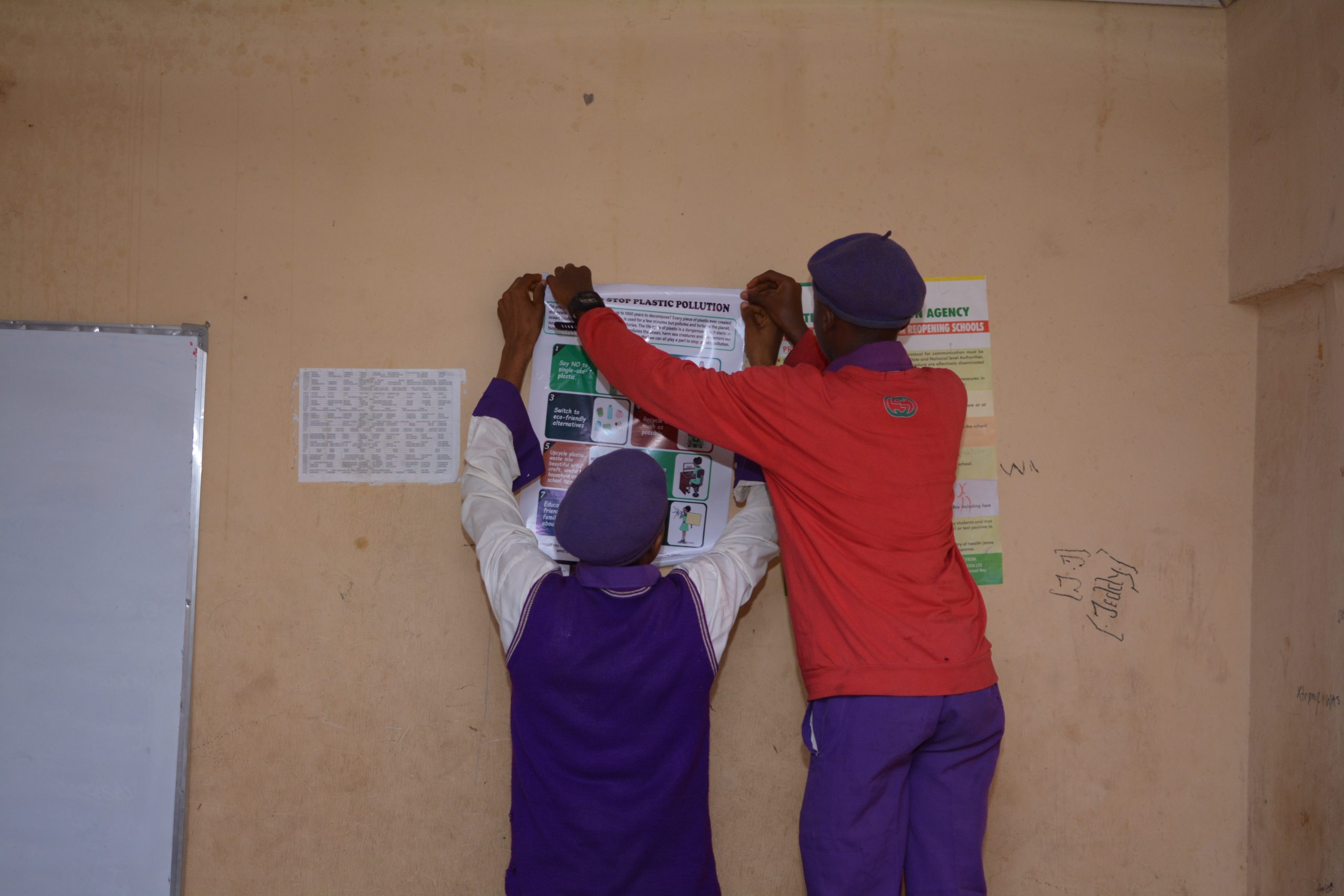
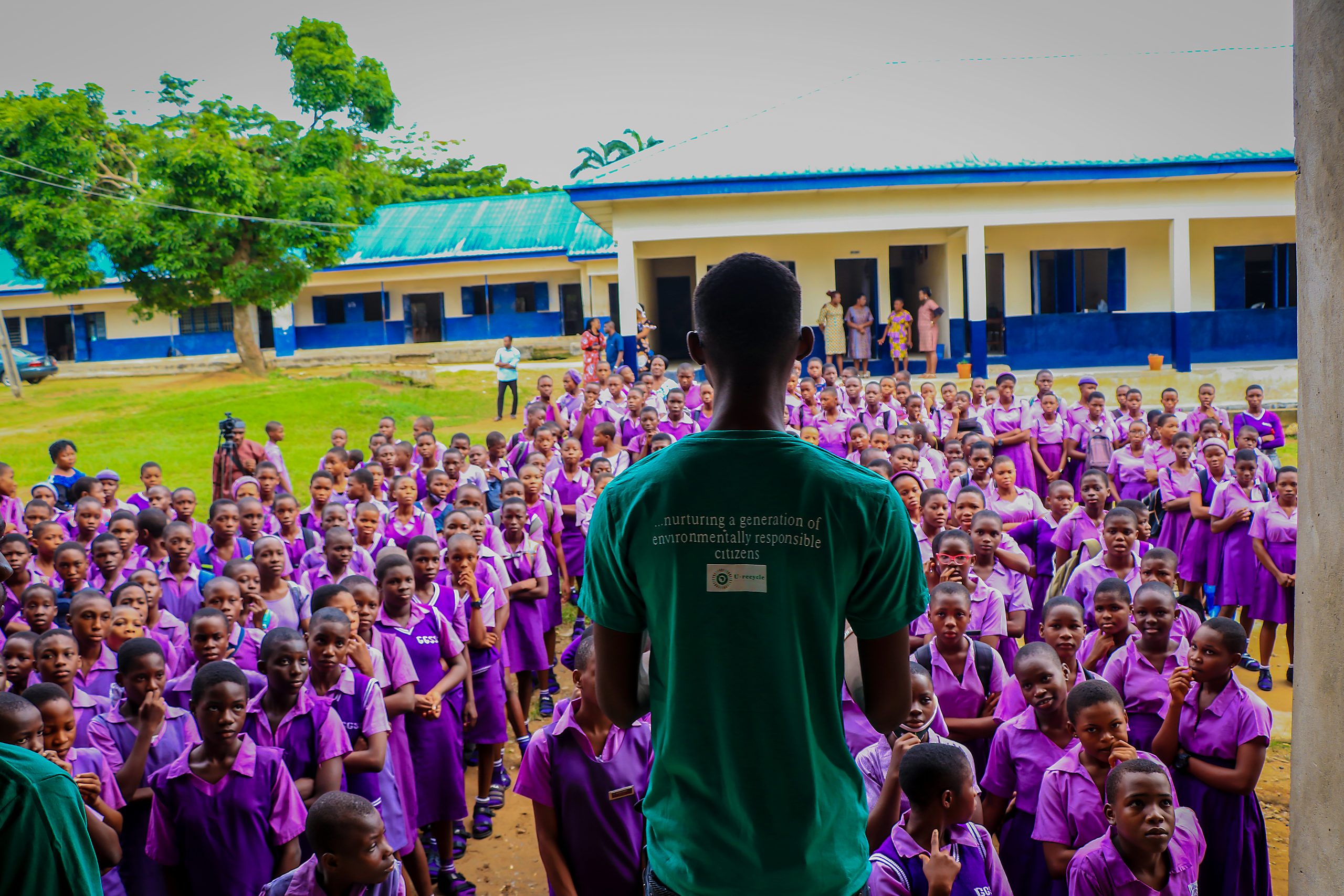
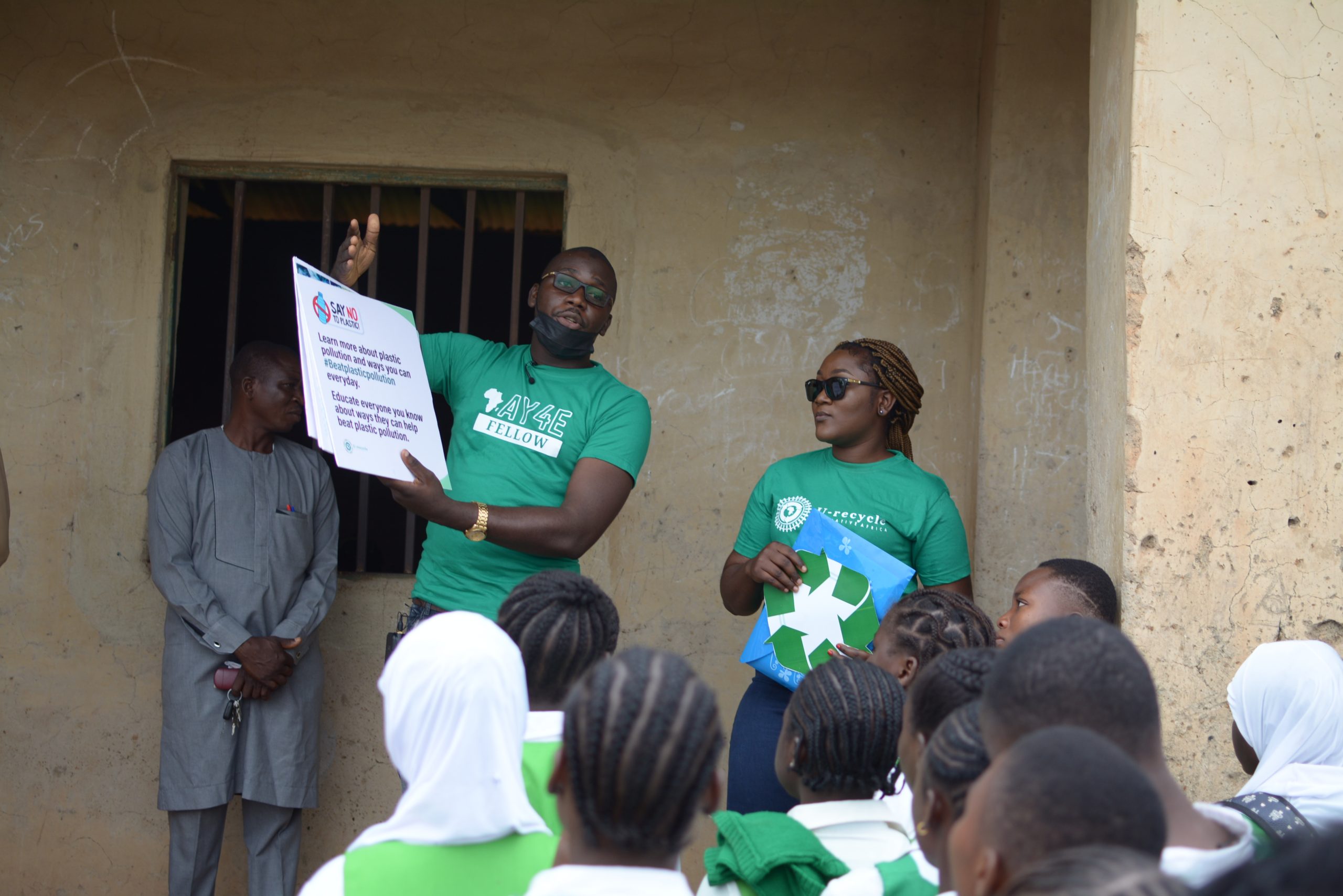
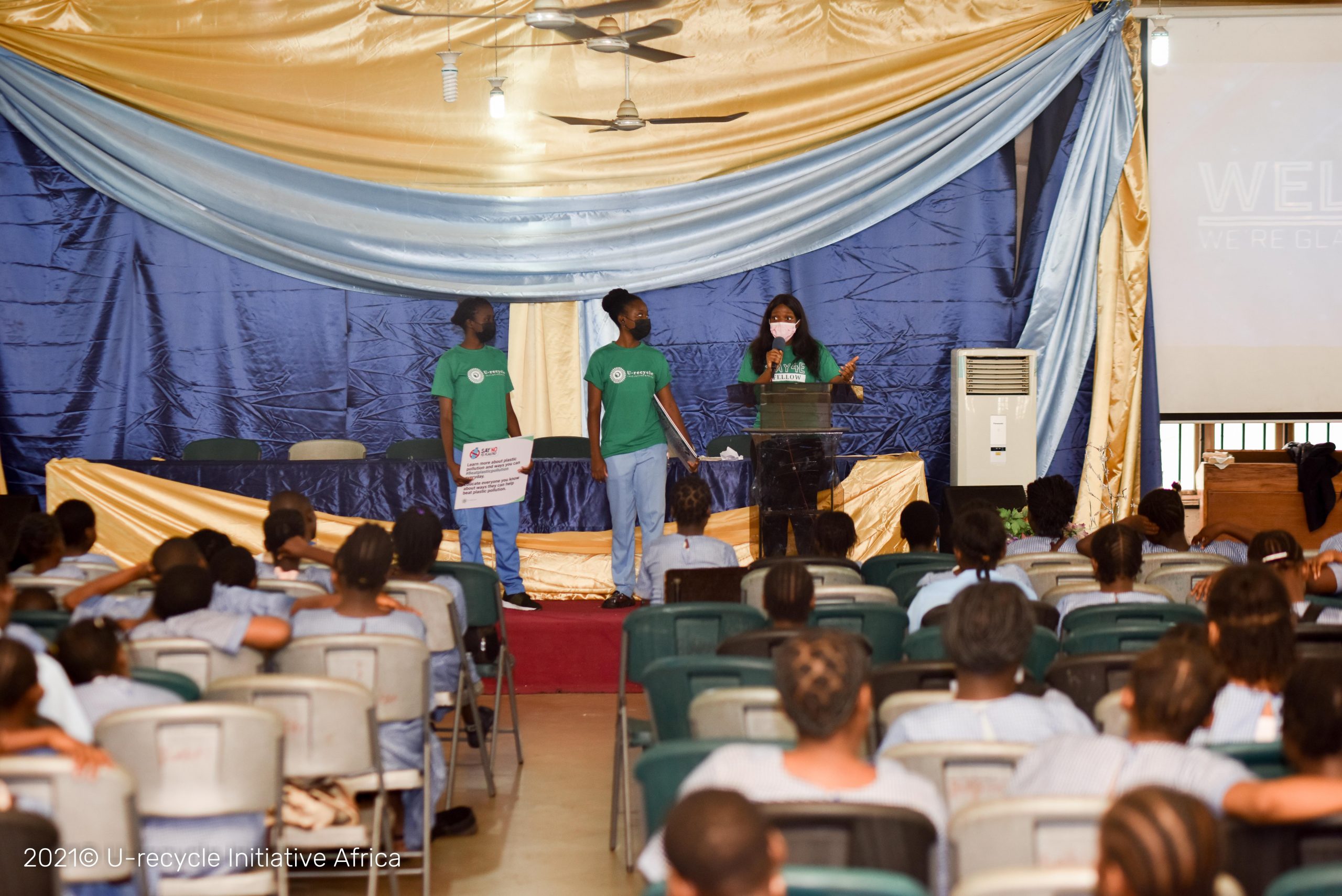
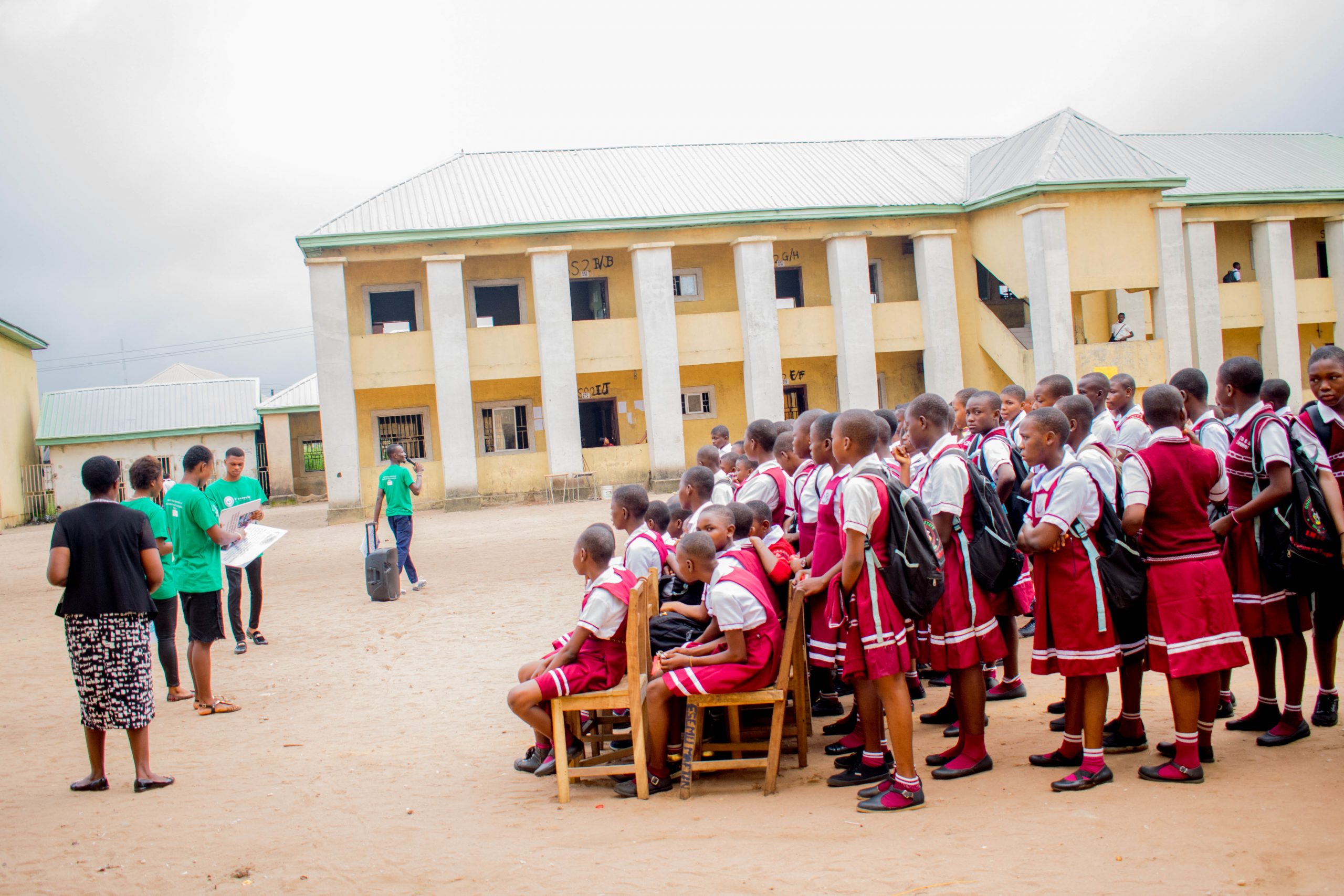
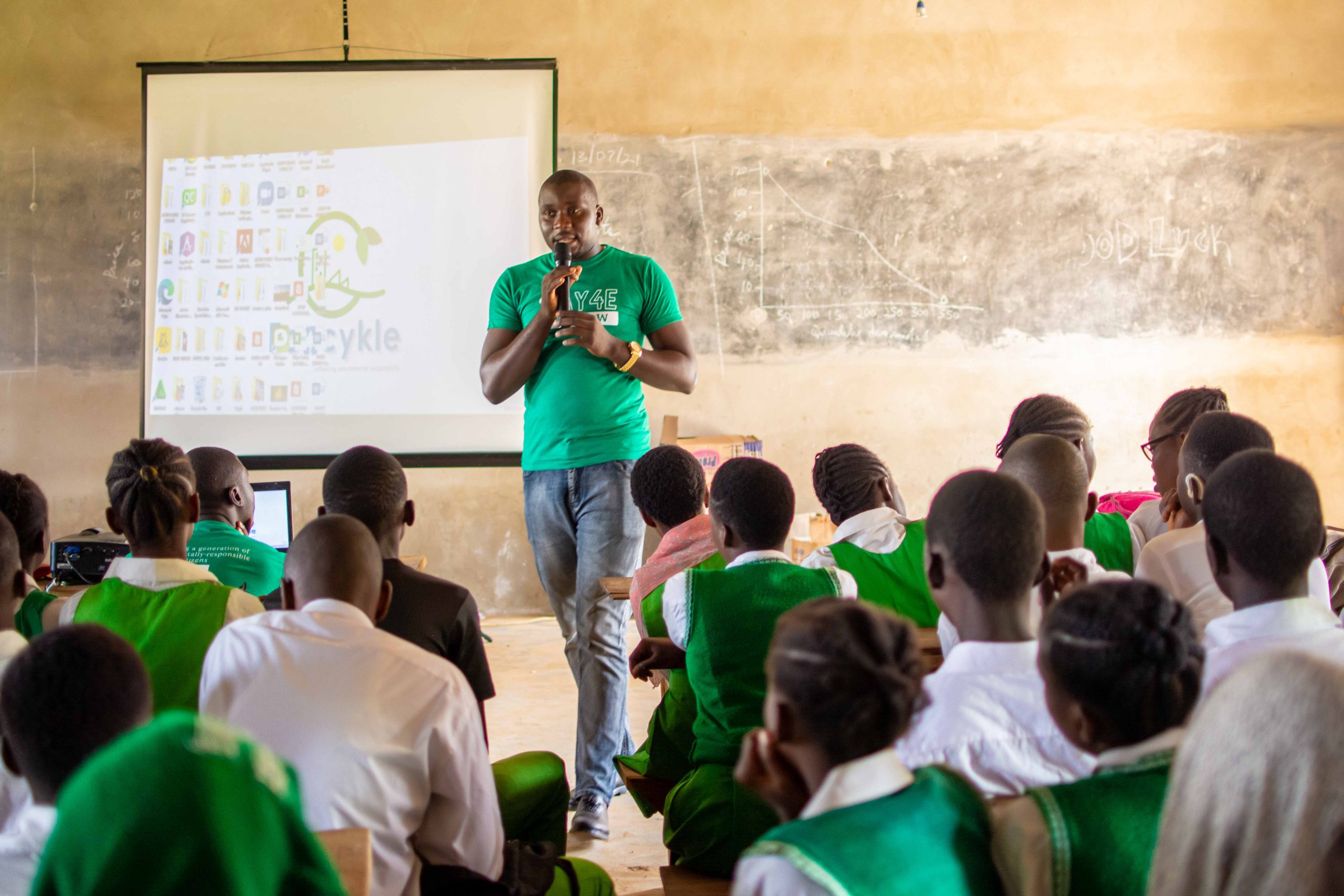
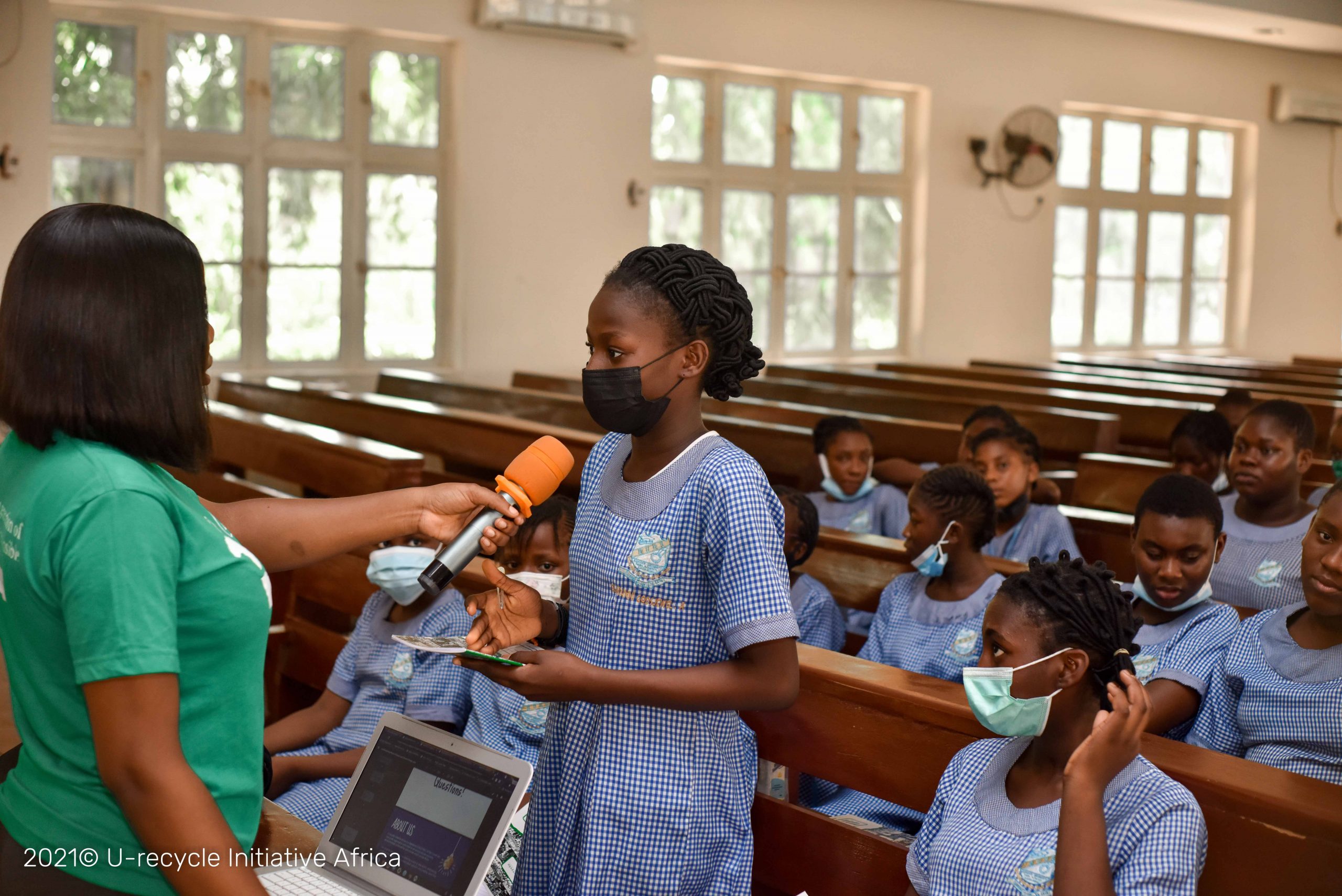
This phase of the project was geared toward Influencing behavioral change through a creative enlightenment project utilizing teaching aids (Large Infographic Cards) and even songs to educate the students about plastic pollution and ways they can take action.
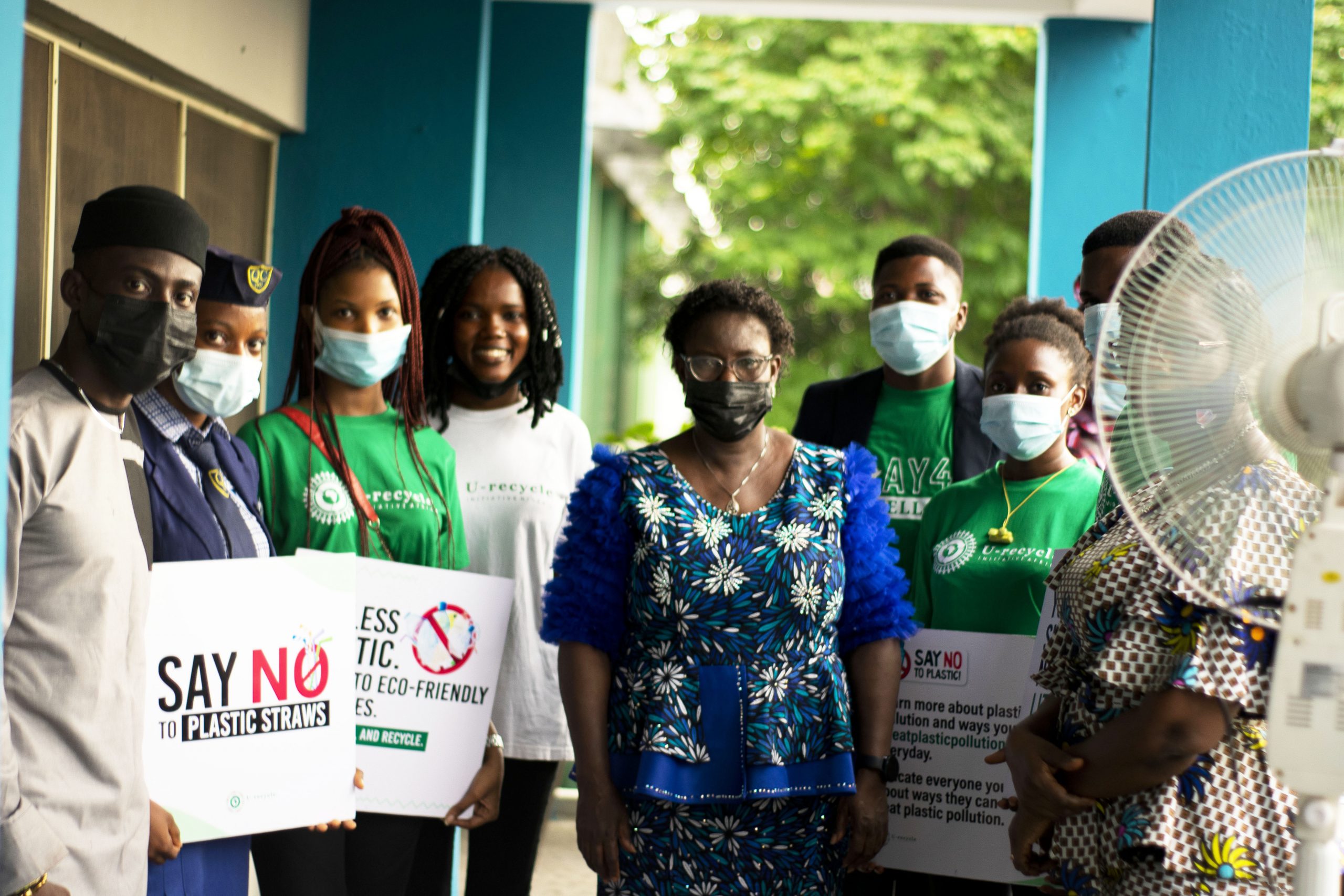
It comprised of two strategic activities; -The presentation of an eco-talk to high-school students during their morning assembly, and -The pasting of informative classroom posters in various classrooms at the school Through this project, the high-school students were educated on the impact of plastic pollution on the planet, as well as practical ways through which they can reduce their plastic footprints.
PHASE 3: MOVIE SCREENING
Schools reached
No of students reached
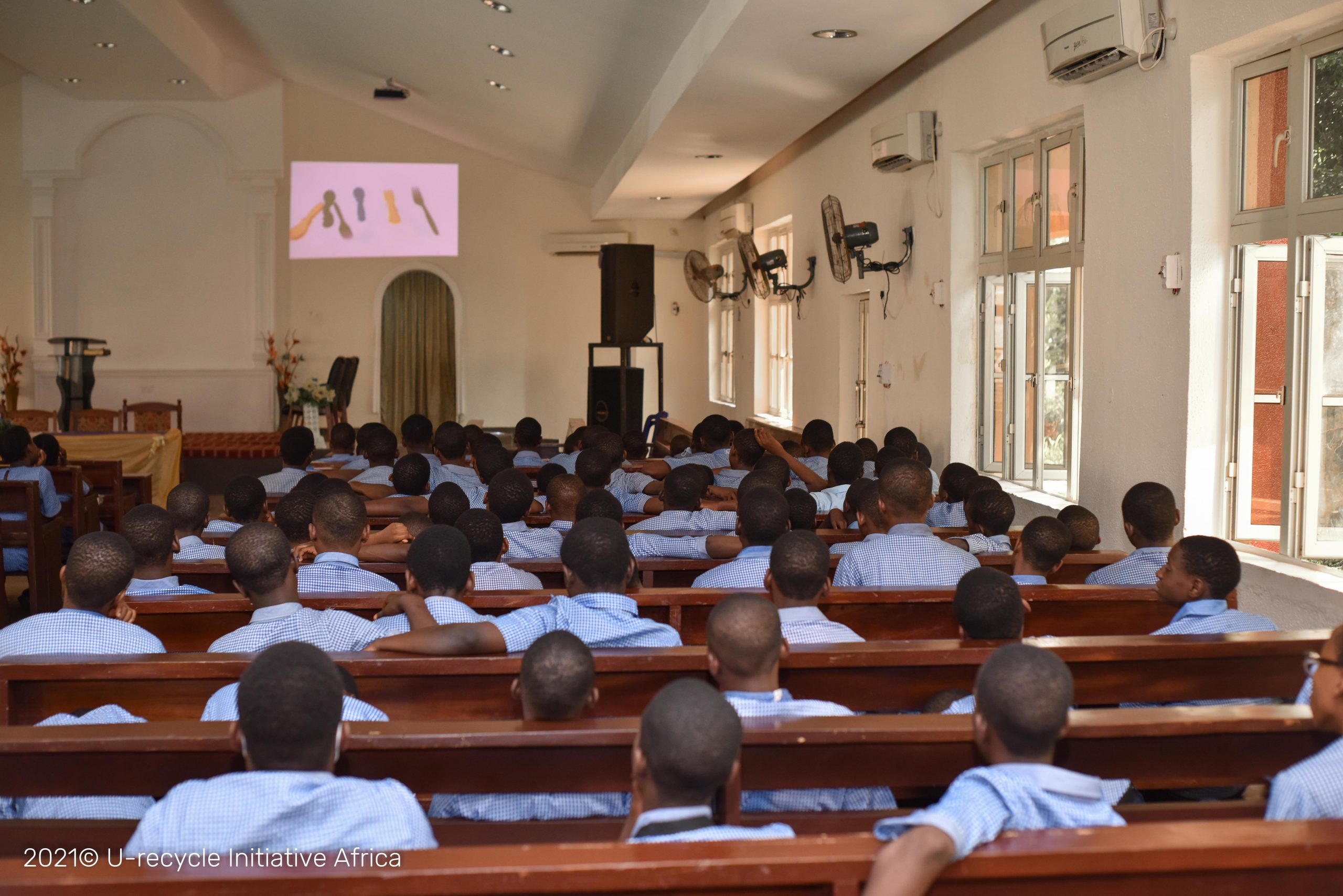
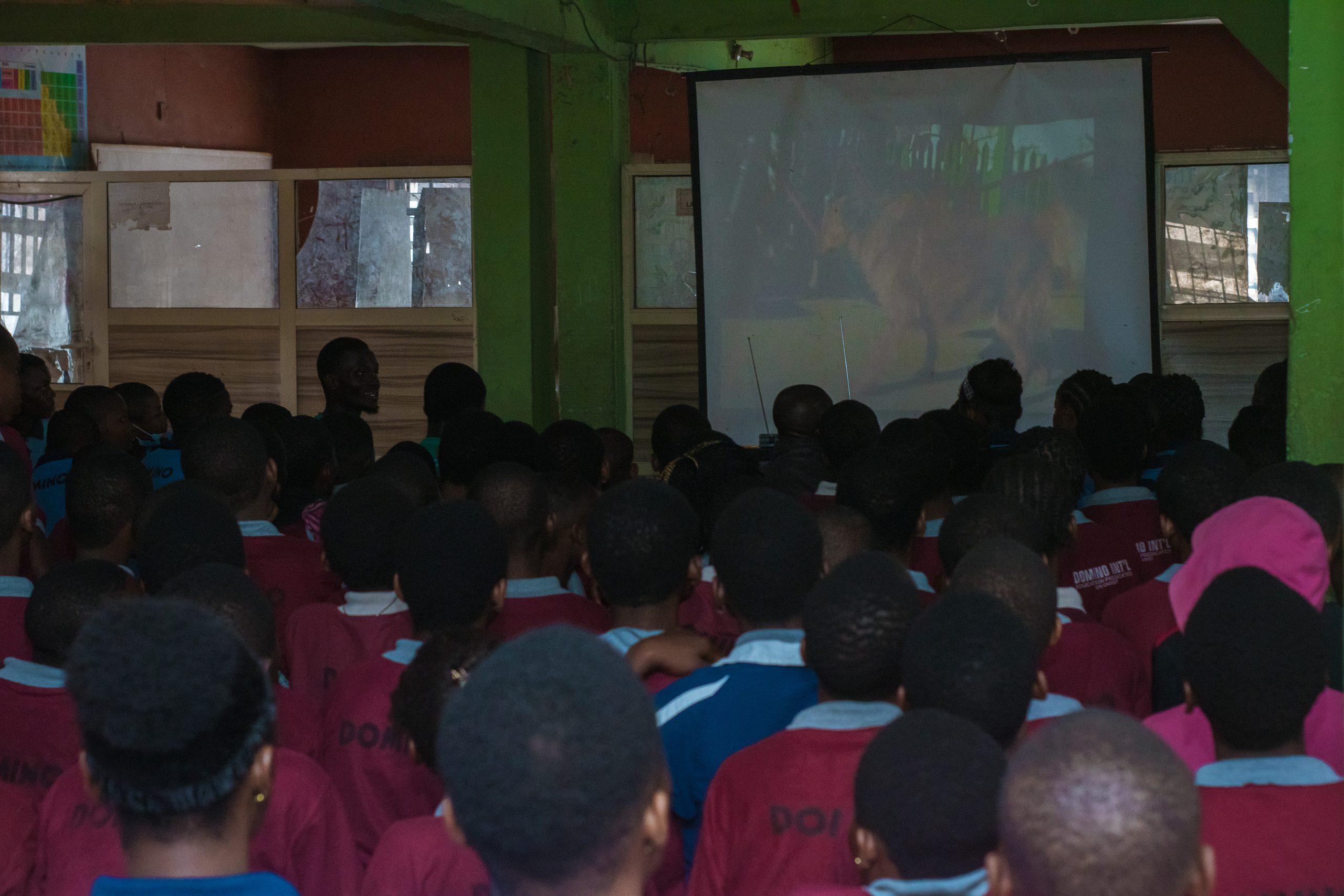
Through movie screenings organized across Nigeria we educated over 841 teenagers on the extensive impact of single-use plastics on the ocean, human health, biodiversity and the planet.
The documentary “BAG IT” explored the devastating lifecycle of plastic, the negative effect of plastic overconsumption and pollution , enlightening the students on the need to build lifelong habits towards reducing their plastic footprints It enabled them to understand the importance of mitigating plastic pollution and the urgent need for sustainable actions and solutions.
This movie screening project was implemented to broaden the minds of students, provoke their interest in sustainability and to reinforce a resounding message on the need for young people to take action towards addressing plastic pollution.
PHASE 4: BOOTCAMPS
Schools reached
No of students reached
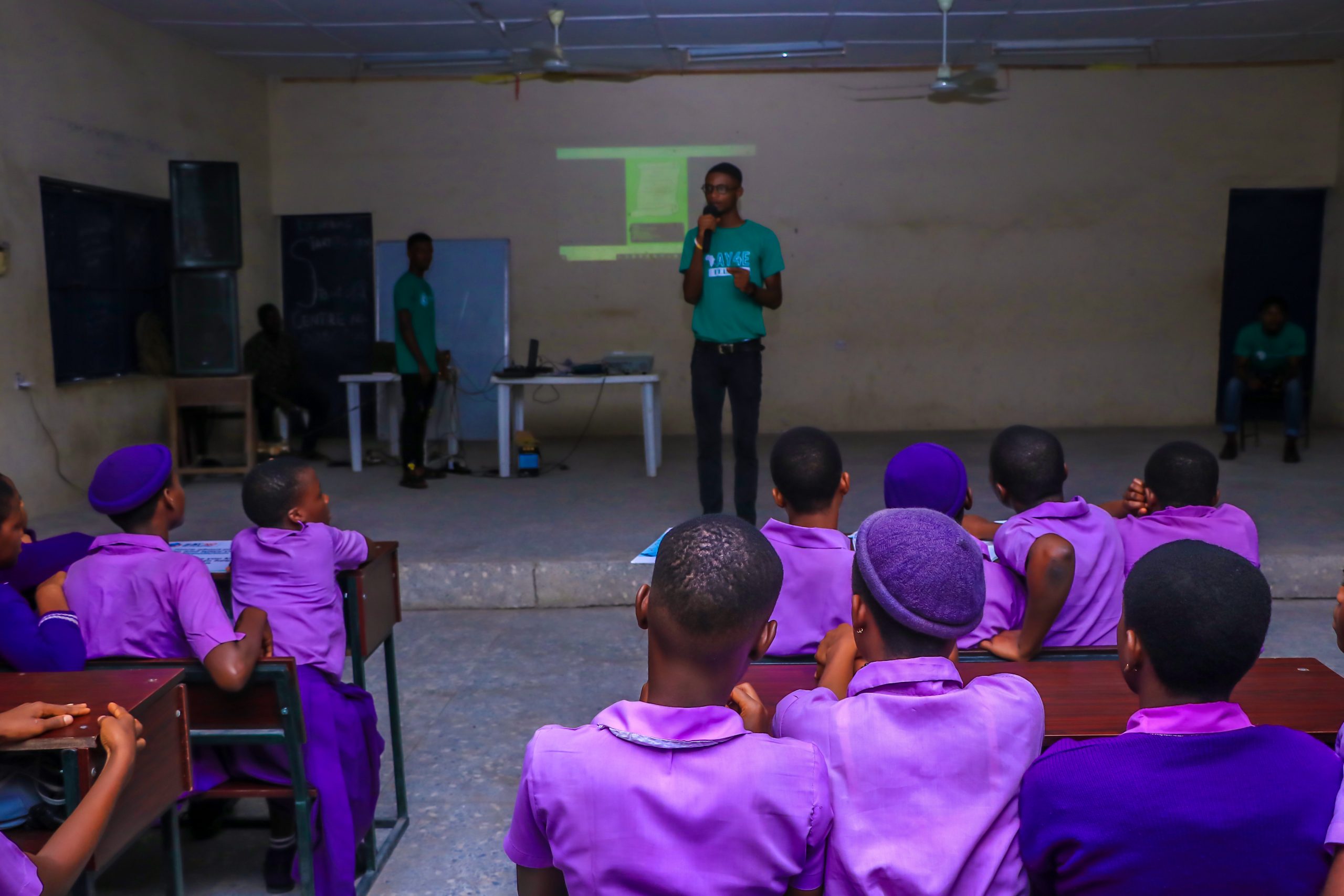
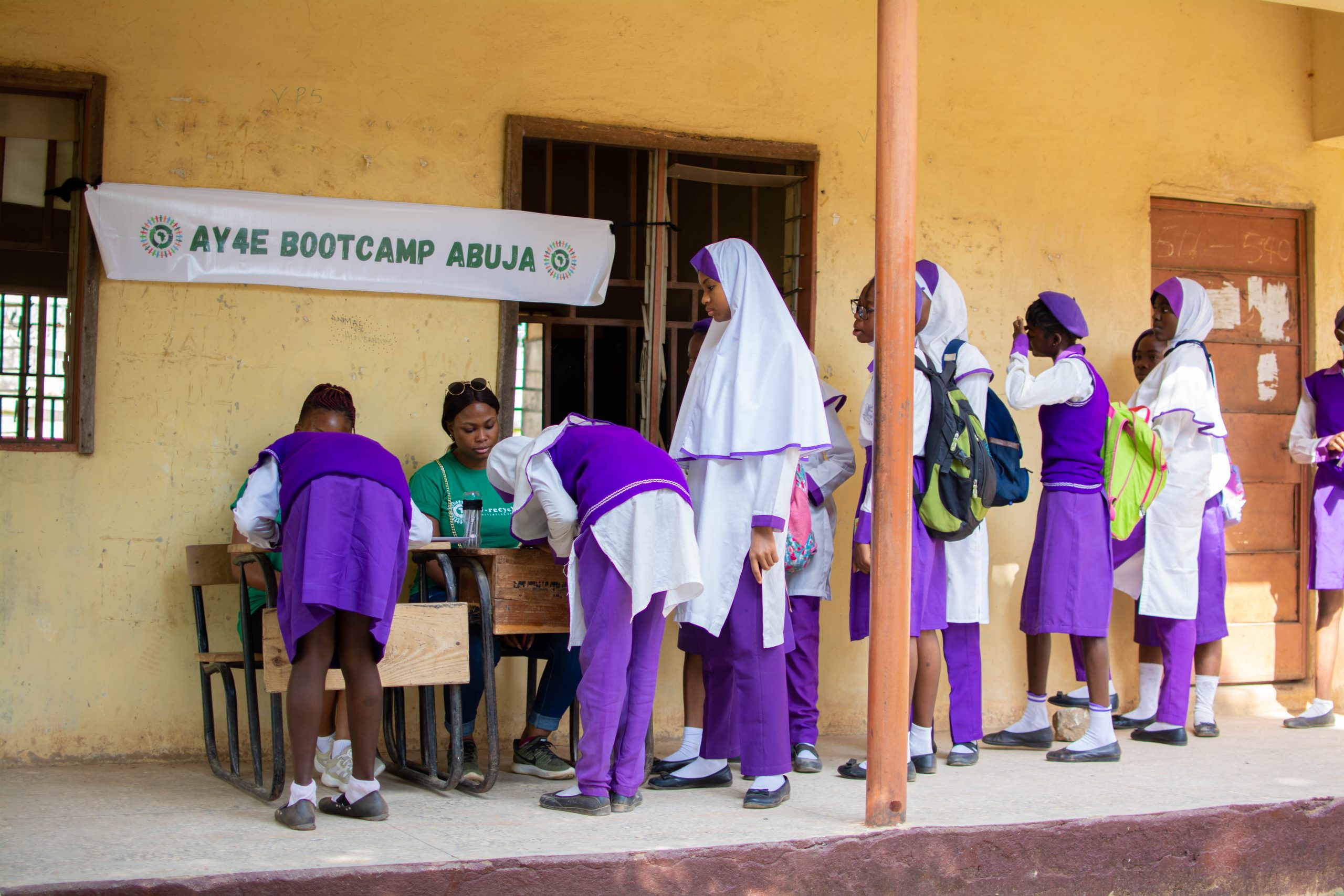
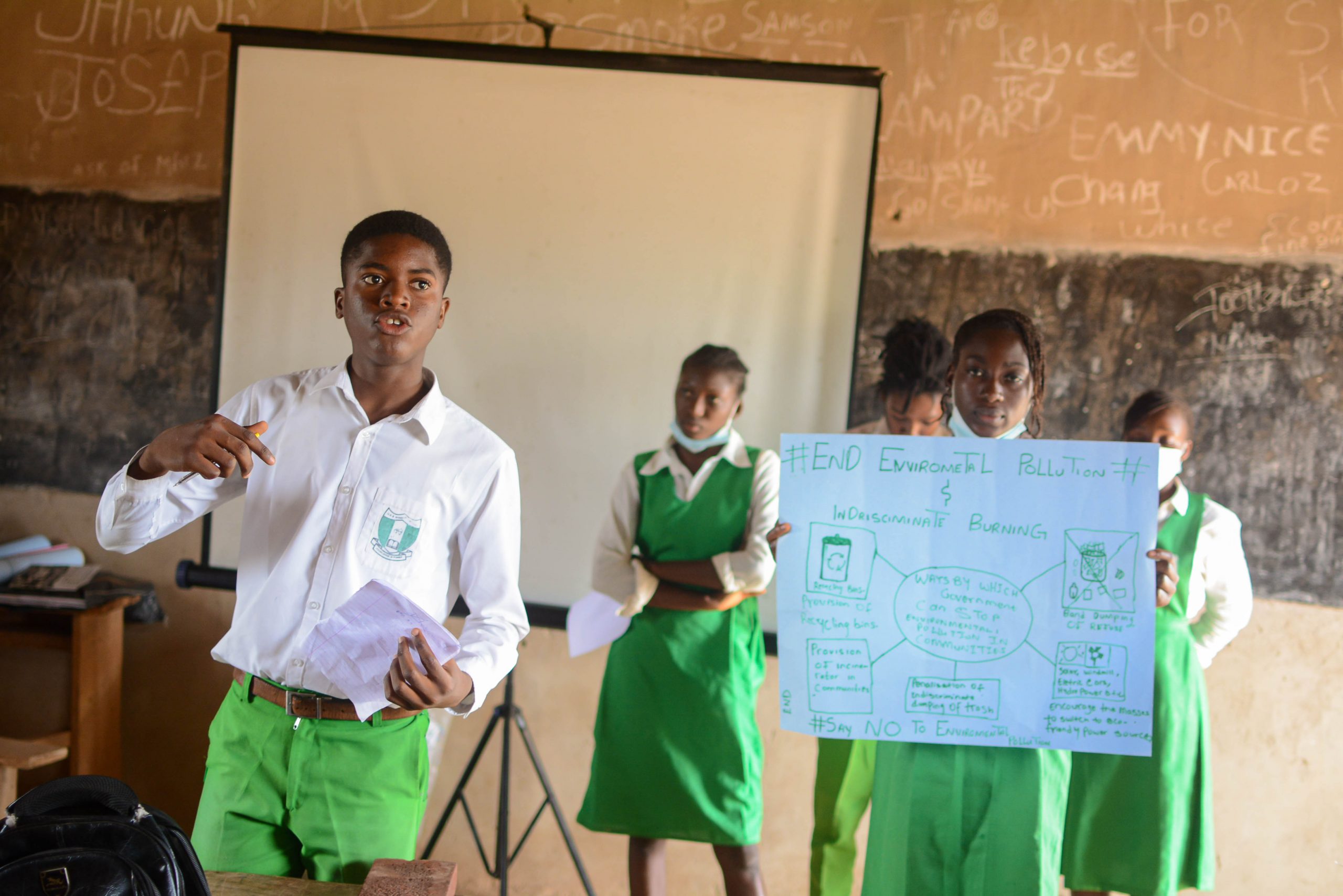
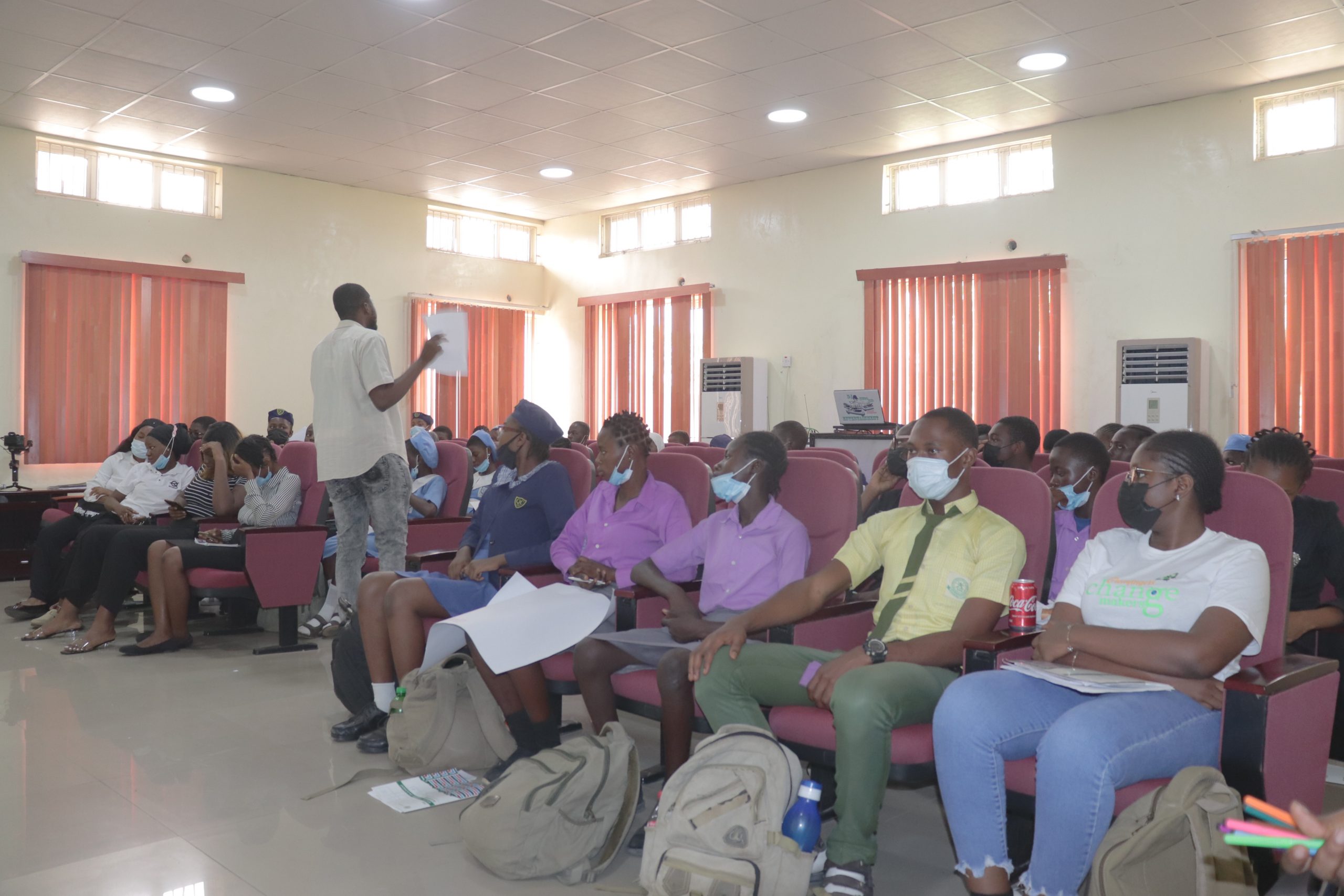
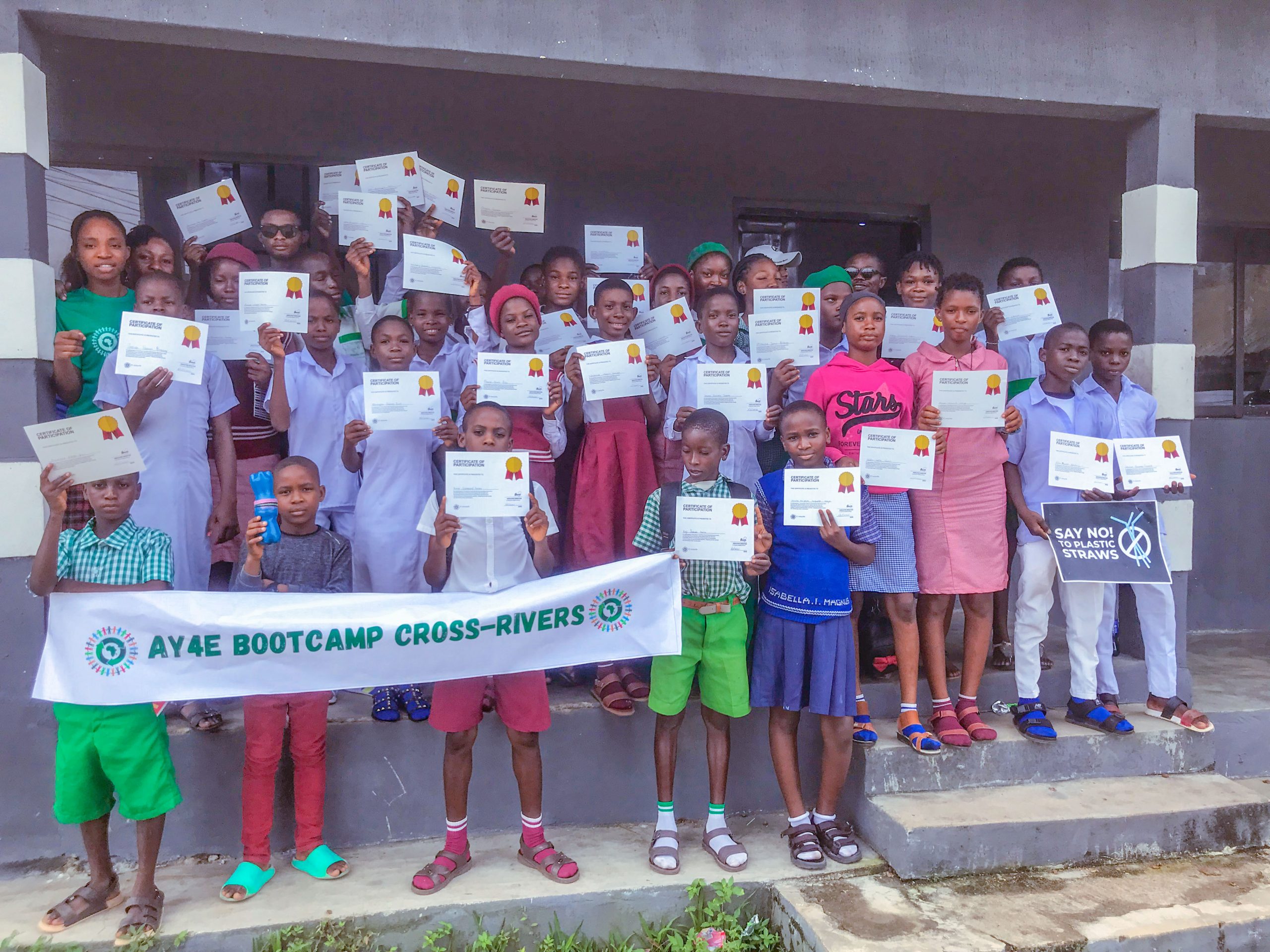
We noticed an existential gap in the involvement of Nigerian schools in environmental sustainability and we want to change this narrative. Beyond creating awareness, the AY4E Bootcamp was a capacity-building project geared toward empowering Nigerian teens to become problem-solvers developing innovative solutions to tackle plastic pollution.
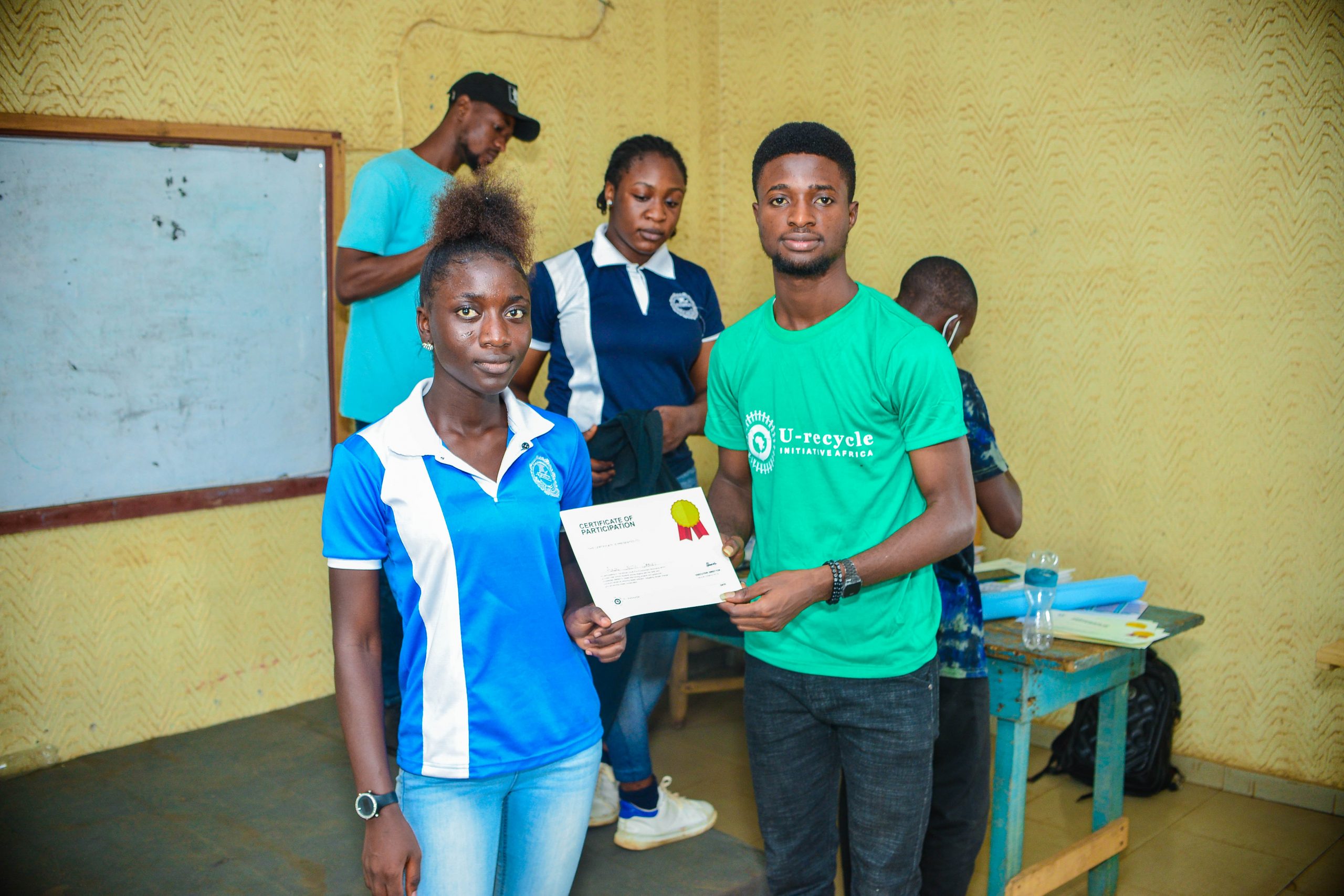
In October – November 2021, we implemented six boot camps across Nigeria; empowering 199 high school students with knowledge and skills to develop tide-turning projects and grassroots solutions aimed at mitigating plastic pollution, combating climate change, and advancing ocean conservation.
And to make it sustainable, in some of the schools, environmental clubs were instituted or revived. These clubs would stand as a medium for more dialogues and activities around combating plastic pollution and promoting environmental awareness and sustainability at the schools
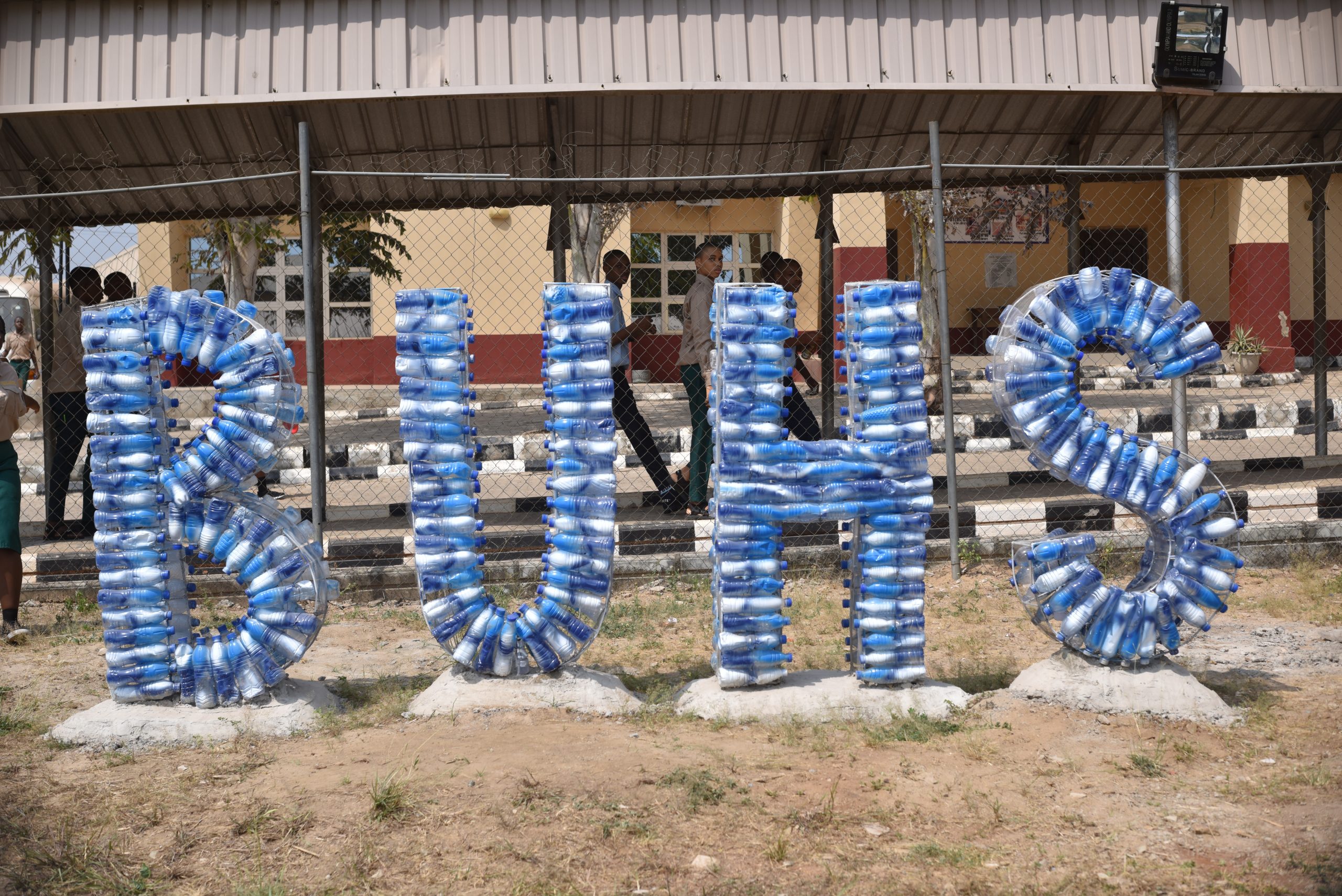
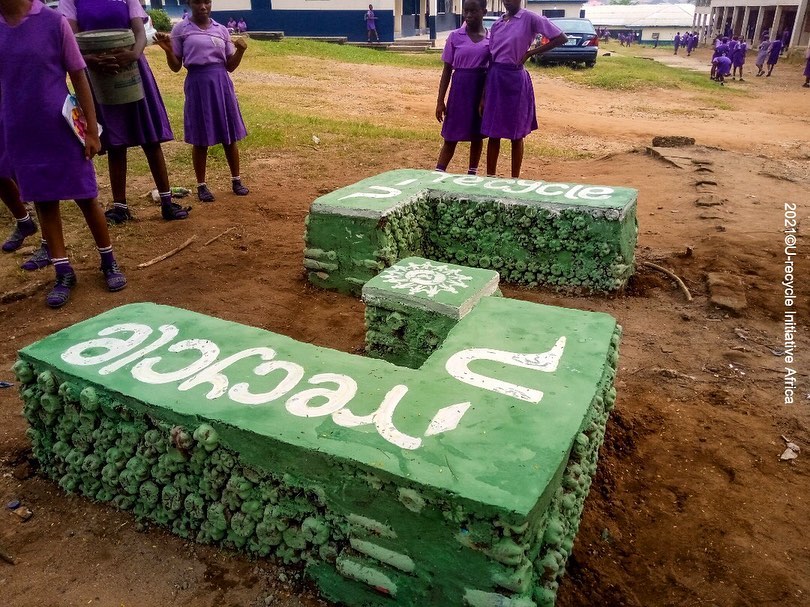
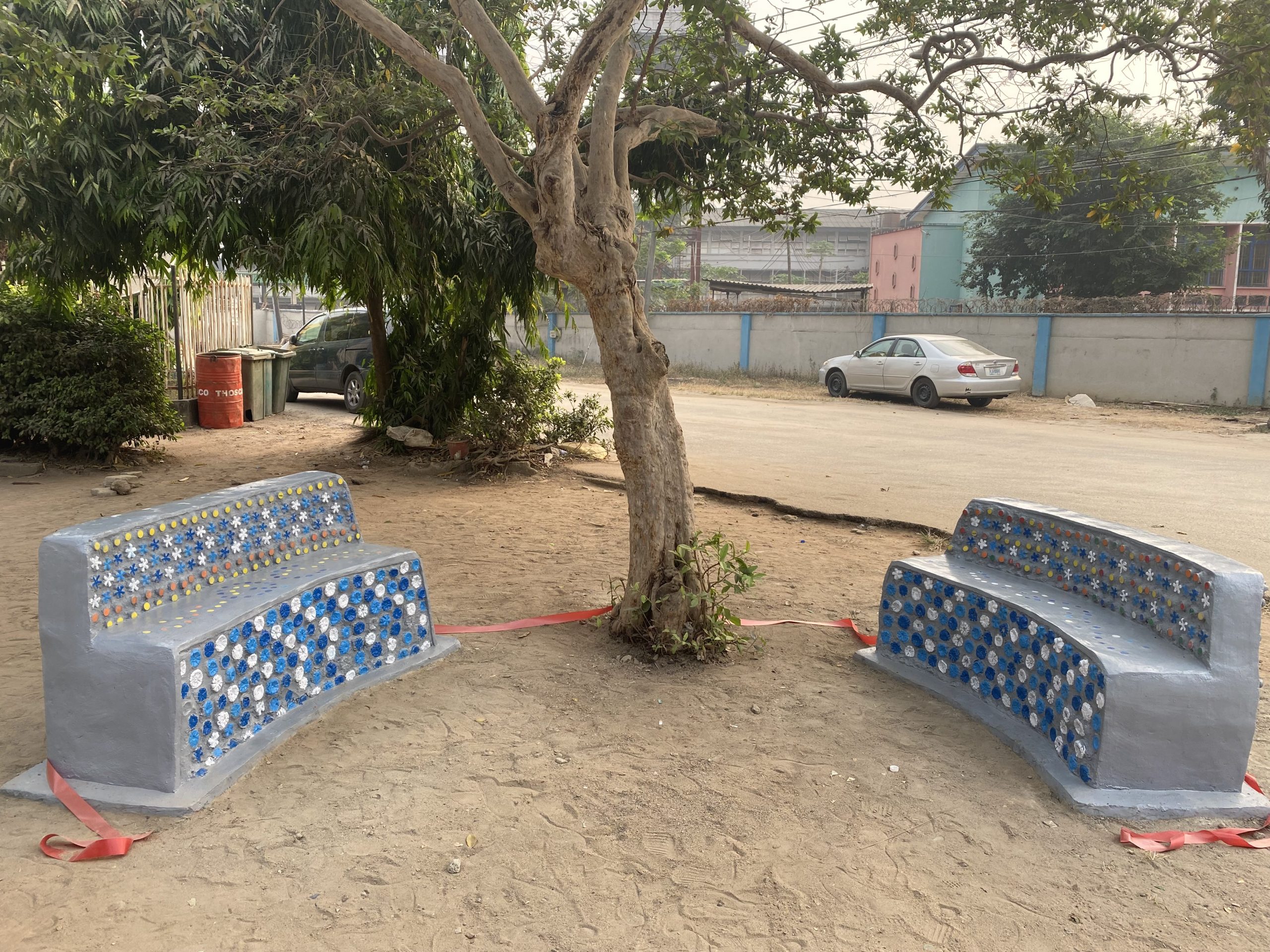
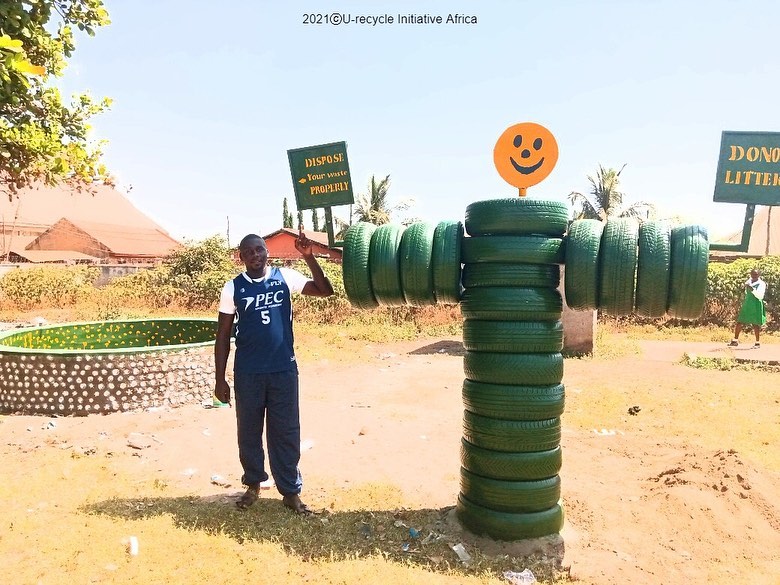
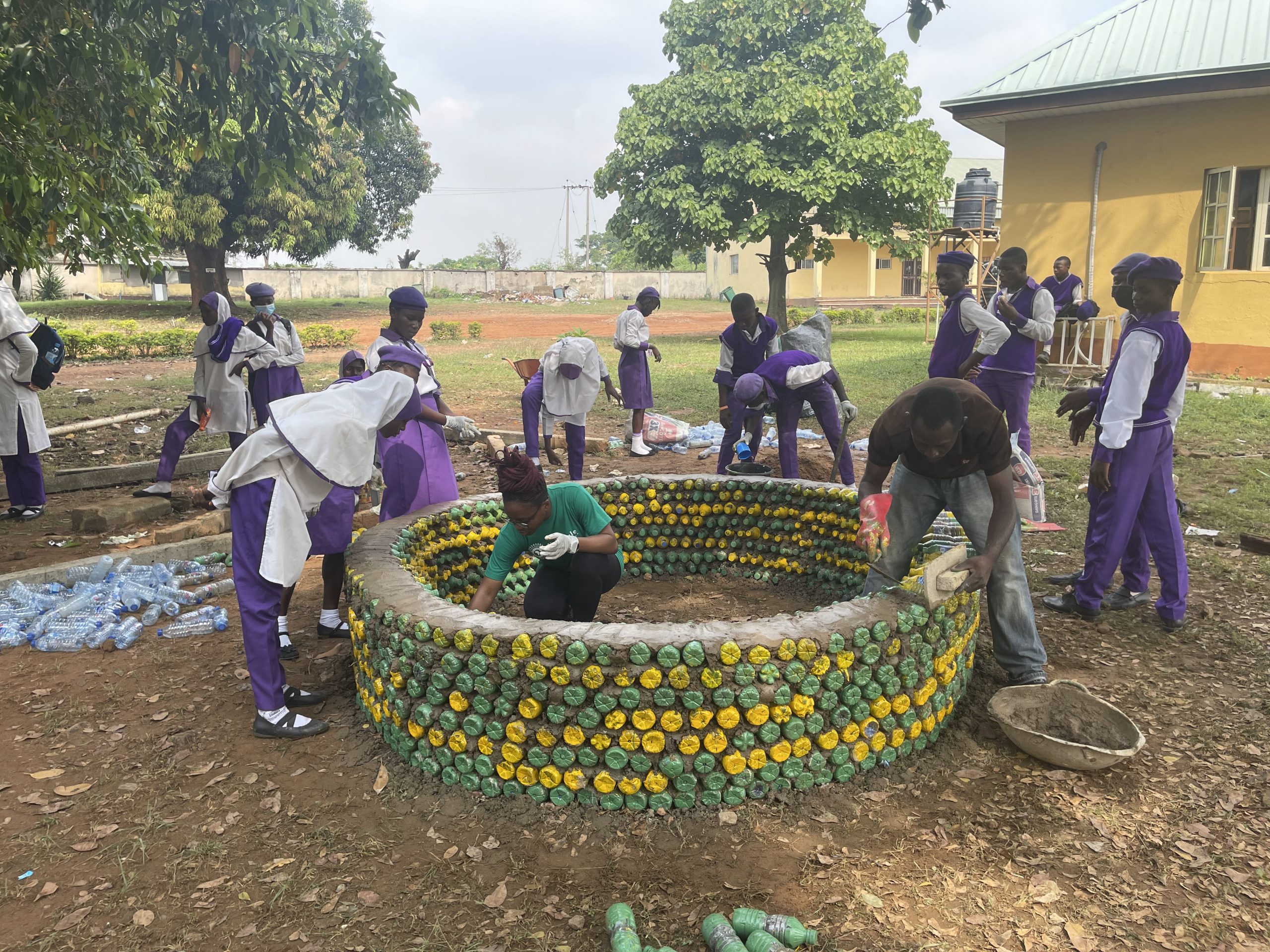
PHASE 5: UPCYCLED MONUMENTS
monuments built
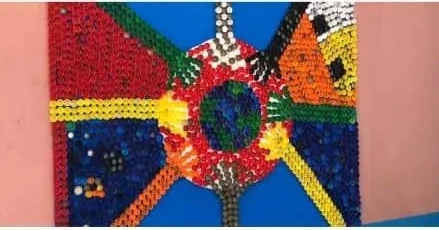
This project was the last and final phase of the African Youth For Environment (AY4E) Fellowship in 2021. One major goal of this Upcycled Monument project was to educate students of the resourceful nature of waste. We engaged the students in a creative project by constructing upcycled monuments from over 4000 ocean-bound discarded plastic waste bottles and other recyclables. This project was focused on inspiring students to see how value can be harnessed from waste.